

Scotland produces around 2.32 million tonnes of household waste every year.
About 44% of it gets recycled. The rest goes to landfill or incineration.
Those numbers matter because recycling isn’t just a nice thing to do.
It’s one of the simplest ways to reduce the need for new raw materials, save energy in the production process, and keep usable waste materials out of holes in the ground.
But what does recycling actually mean in practice, and how does it work?
What recycling is
Recycling is the process of collecting materials that would otherwise be thrown away as waste, processing them, and turning them into new materials and products.
An aluminium can becomes another aluminium can. A cardboard box becomes packaging for someone else’s online order. A plastic bottle becomes fleece fabric or garden furniture.
The idea is simple.
Instead of processing raw materials from scratch (mining metal ore, felling trees, drilling for oil to make new plastic), we take what’s already been made and use it again.
That process of turning waste into something useful is what separates recycling from just throwing things in the bin.

Recycling vs reuse
It’s worth knowing the difference between recycling and reuse, because they’re not the same thing.
Reusing means using an item again in its current form, like donating a working sofa to a charity shop or passing clothes on to a friend.
Recycling means breaking the material down and turning it into something different. Both are good for waste reduction.
Both keep items out of the landfill. But they’re completely different processes.
What can be recycled in the UK
Most councils in Scotland accept the same core materials in your kerbside recycling bin, though the exact rules can vary. Here’s what’s generally recyclable.
Paper and cardboard
Newspapers, magazines, junk mail, cereal boxes, cardboard packaging, and envelopes (even ones with plastic windows) can all go in.
Once paper is collected and sorted, recycling paper saves around 17 trees per tonne and uses 70% less energy than making paper from virgin materials.
Just make sure it’s always completely clean and dry, because wet or greasy paper (like an old pizza box) contaminates the batch.
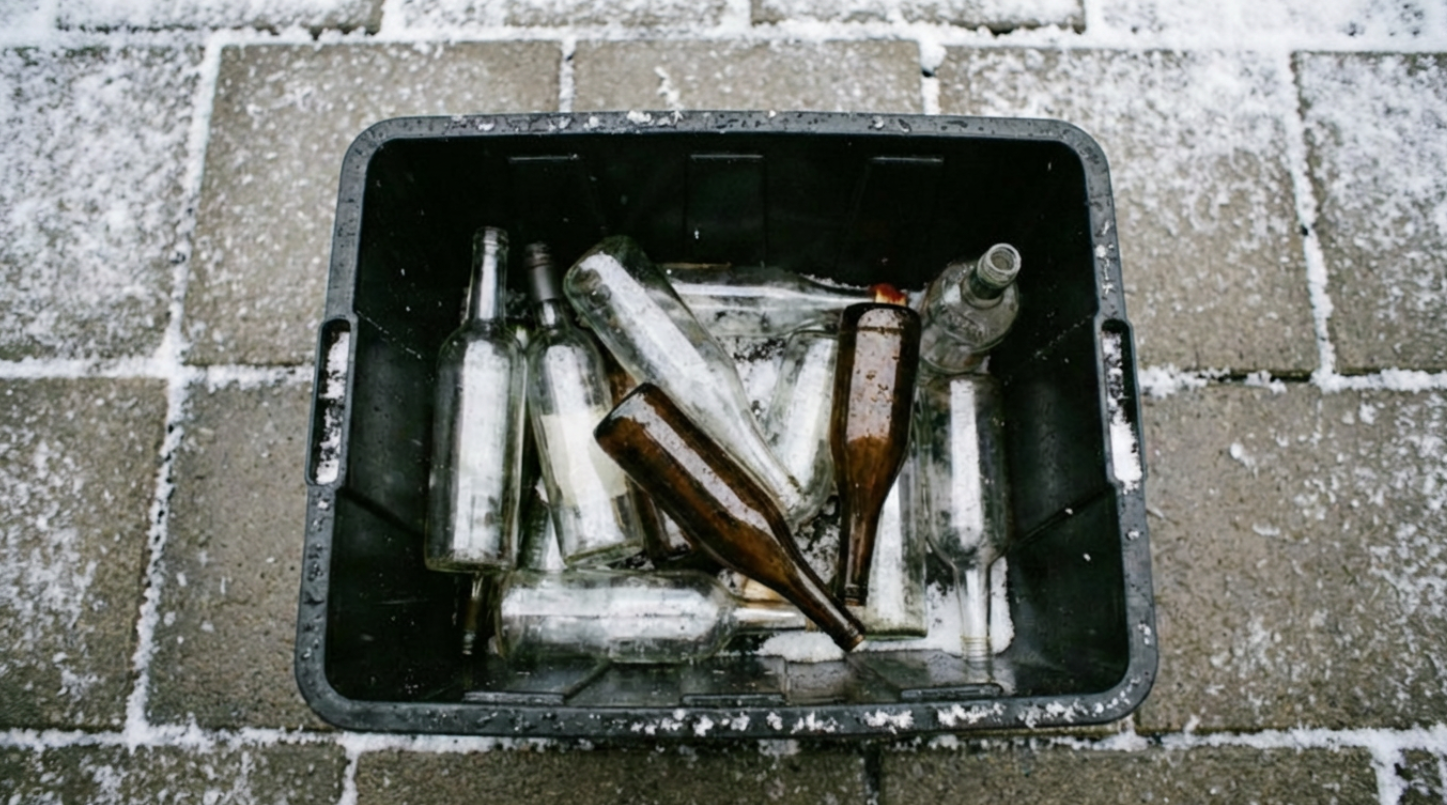
Glass
Glass bottles, jars, and containers of any colour.
Glass recycling is one of the simplest and most efficient common types, because glass can be recycled endlessly without losing quality. Recycling it uses about 30% less energy than making new glass from sand.
Rinse them out first, but you don’t need to remove labels.
Metals
Aluminium cans, steel food tins, foil trays, and aerosol cans. Aluminium is one of the most valuable recyclable materials because recycling it saves a staggering 95% of the energy needed to produce new aluminium from bauxite ore.
That one figure alone explains why recycling your drink cans matters so much.
Plastics
Plastic recycling is where it gets complicated.
Most councils accept plastic bottles (water, milk, shampoo, cleaning products) and some accept plastic food trays and tubs.
But different types of plastics are made from different polymers, and many plastic products that feel like they should be recyclable (crisp packets, cling film, plastic bags, black plastic trays) often can’t be processed at a standard recycling plant.
The amount of plastic waste that actually gets recycled in the UK is still surprisingly low.
When in doubt, check your local recycling guidelines or the label on the packaging.
What about everything else?
Textiles, electronics, batteries, and cooking oil can all be recycled, but they usually need to go to a recycling centre or specialist collection point rather than your kerbside bin.
And then there’s the big stuff.
Sofas, mattresses, white goods, and general household furniture.
None of that fits in a recycling bin, which is why many people assume it just has to go to a landfill. It doesn’t, but we’ll come back to that.
How the recycling process works
Once you put something in your recycling bin, it goes on a long journey through several stages before it becomes a new product.
Collection
Waste collection starts at the kerbside, where your council collects recyclables either mixed together in one bin or separated into different containers.
This tends to vary by council, but it is common for glass to be kept in a separate container.

Sorting
Collected materials are taken to a Materials Recovery Facility (MRF, pronounced “murf”).
Here, a combination of machines, magnets, air jets, and manual sorting separates everything into individual waste streams: paper in one pile, aluminium in another, different types of plastic in their own groups.
Getting tons of materials sorted accurately is a key component of modern waste reduction.
Processing
Each sorted material is cleaned, compressed into bales, and sent to reprocessing plants.
Paper gets pulped and reformed into new paper products. Glass is crushed into cullet and melted down. Plastics are shredded, washed, and melted into pellets. Metals are smelted and cast into new ingots.
Manufacturing
Those reprocessed materials go to manufacturers who turn them into new products.
Your old newspaper might become egg cartons. Your milk bottles might become drainage pipes. Your baked bean tins might end up as part of a car.
These are all products made from recycled materials, and the cycle starts again when you buy them and eventually recycle them too.
The benefits of recycling
There are some big, practical reasons why all of this is worth the effort of rinsing a tin and putting it in the right bin.
Saves natural resources
Every tonne of recycled paper means fewer trees cut down, and every recycled aluminium can means less bauxite mined.
Recycling reduces the need to extract virgin materials from the earth, and the less we extract, the less damage we do to the ecosystems those materials come from. Recycling can also help conserve natural resources for future generations.
Saves energy
Making products from recycled materials almost always uses less energy than starting from raw ingredients, and less energy means fewer greenhouse gas emissions.
Recycling aluminium alone saves 95% of the energy compared to producing it from ore.
According to the Scottish Environment Protection Agency (SEPA), Scotland’s recycling efforts already prevent thousands of tonnes of carbon entering the atmosphere each year, reducing air and water pollution in the process.
Reducing stress on landfill
Then there’s the impact of recycling on the landfill.
Scotland still sends a large portion of its municipal solid waste to landfill, where it sits for decades (or centuries, in the case of some plastics) breaking down slowly and releasing methane, a greenhouse gas far more potent than carbon dioxide.
Every improvement helps reduce the amount of waste going into the ground and ruining our atmsophere.

The things that don’t fit in your bin
Here’s the problem that recycling bins don’t solve.
Your council will happily collect paper, glass, cans, and plastic bottles. But they won’t collect the three-seater sofa you’re replacing, the broken wardrobe in the spare room, or the pile of renovation debris in the garden.
Bulky solid waste is one of the biggest gaps in the recycling system.
Items like furniture, appliances, mattresses, and general household clearance waste don’t have an obvious waste disposal route for most people beyond landfill.
You can book a council uplift (which often takes weeks), drive items to the tip yourself (multiple trips or a big enough, but not oversized vehicle), or hire a skip (permits, you do the lifting, it sits on your drive).
Or you can call a junk removal company. that takes its recycling seriously.
How junk removal connects to recycling
At Junk It, we collect items from your home or business, we don’t take everything to landfill.
We sort it.
Furniture that’s still usable goes to charities and reuse organisations. Wood, metal, and textiles go to specialist recyclers. Electrical items go to licensed WEEE (Waste Electrical and Electronic Equipment) processors. Construction waste gets separated into concrete, timber, and metal for waste recycling.
At Junk-It Scotland, we divert over 85% of everything we collect away from landfill.
It’s a figure we track on every job, because our ethical waste disposal guarantee commits us to responsible recycling and waste management.
We’re SEPA registered, which means we’re licensed by the Scottish Environment Protection Agency to transport and manage waste legally.
So when you’re clearing out a house, emptying a garage, or getting rid of old office furniture, the items you can’t put in a recycling bin still have somewhere to go that isn’t a hole in the ground.
Whether you are located in Glasgow or Edinburgh, we travel far and wide, helping organise rubbish removals for responsible disposal.
Reach out to our friendly team today for a FREE QUOTE on 0141 433 4330 and we will get your waste sorted.


