

You’ve dropped a glass. Or maybe a jar slipped off the worktop and shattered across the kitchen floor. Once you’ve swept it all up, the obvious question is: does this go in the recycling bin or the general waste?
The short answer is no. Broken glass should not go in your kerbside recycling box or bin.
Here’s what you need to know about recycling glass, reuse options, and how to safely dispose of every item.
Why Broken Glass Can’t Go in Your Kerbside Recycling Box – By Edinburgh Junk Removal Experts
Glass bottles and jars are recyclable. That much is true.
But once glass is broken, it becomes a safety hazard for everyone involved in the waste and recycling collection process.
Collection crews handle your bins and recycling boxes by hand. Sharp shards and fragments can slice through standard gloves and cause serious injuries. At sorting facilities (known as material recovery facilities, or MRFs), staff often separate materials manually before they reach the machines. Loose broken glass mixed in with cardboard, plastic packaging, and tins creates a real risk for the people doing that work.
There’s a contaminant issue too.
Small glass fragments can embed themselves in paper and cardboard bales, which makes those materials harder to recycle.
Broken glass can also jam sorting equipment and damage conveyor belts, slowing down the entire process. So while the glass itself might be perfectly recyclable as a material, the way it enters the system matters.
Keeping non-recyclable items and broken glass out of your recycling bin helps improve the quality of what gets processed and reduces the amount of waste that ends up rejected.
Recycling Glass by Type: Container, Plastic, and Non-Recyclable Items
Not all glass is created equal, and this is where things get confusing. The glass in your jam jar is not the same as the glass in your bathroom mirror, your oven dish, or a drinking glass from the cupboard.
Understanding which glass can be recycled and which cannot be recycled makes a real environmental impact.
Container Glass (Bottles and Jars)
This is the type most councils accept for kerbside collection.
Beer bottles, wine bottles, sauce jars, pickle jars, perfume bottles.
As long as they’re intact (or only lightly chipped), these can usually go in your glass recycling bin or recycling box, or be taken to a bottle bank. Remove the lid where possible, empty any leftover contents, and give them a quick rinse.
Container glass is 100% recyclable and can be melted down and reformed endlessly without any loss in quality.
Window Glass and Flat Glass
Window panes, picture frame glass, and glass tabletops are made differently from container glass. They have a different chemical composition and melting point, which means they can’t be mixed in with glass bottles and jars at a standard recycling plant.
If window glass gets into the container glass stream, it acts as a contaminant that can cause weak spots and fractures in the new glass products, making them unsafe.
Pyrex and Heat-Resistant Glass
Pyrex and other oven-safe dishes are made from borosilicate glass, which is designed to withstand high temperatures. That means it has a much higher melting point than standard container glass.
Mixing the two in a recycling batch causes problems, so Pyrex should never go in your recycling bin or box. It goes in your general waste.
Drinking Glasses and Glassware
Wine glasses, tumblers, pint glasses, and decorative glassware are typically made from lead crystal or soda-lime glass with additives that make them unsuitable for standard glass recycling.
Like Pyrex, these items cannot be recycled through your kerbside collection and go in general waste instead, unless you have assess to a specialist recycling skip.
If they’re still intact, consider donating them for reuse at a charity shop before sending them to landfill.
Mirrors
Mirrors have a metallic coating on the back that contaminates the glass recycling process. They can’t go in your recycling bin.
Small mirrors go in general waste, and larger ones can be taken to your local household waste recycling centre (HWRC).
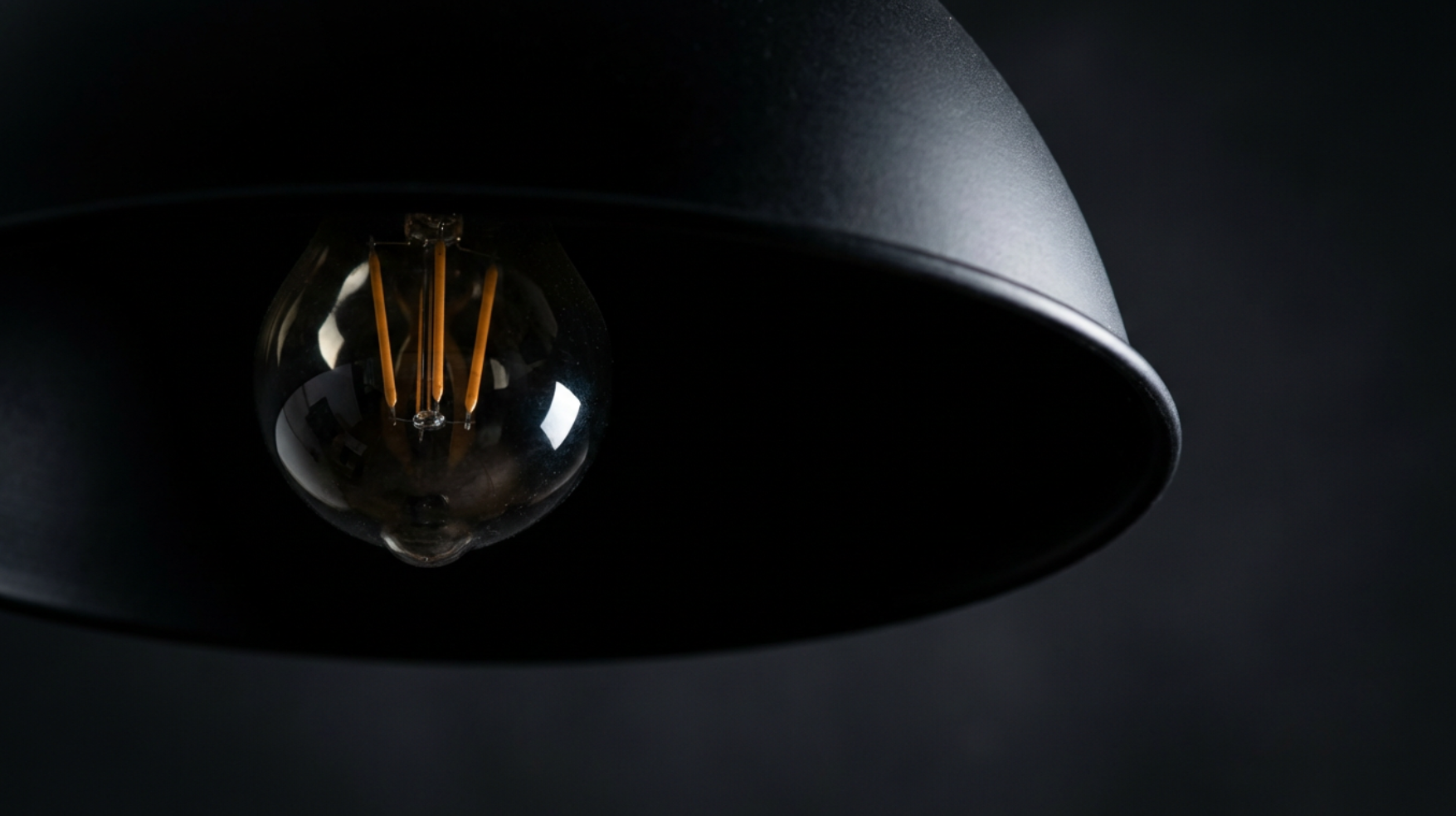
Light Bulbs
Standard incandescent and halogen bulbs go in general waste.
Energy-saving compact fluorescent bulbs contain small amounts of mercury and should be taken to a local recycling centre or a retailer that accepts them.
LED bulbs can also be recycled at specialist collection points.
None of these should go in your glass recycling box.
How to Safely Dispose of Broken Glass
Whatever type of glass you’re dealing with, safety comes first. Broken glass needs to be wrapped before it goes in any bin, bag, or box.
Start by carefully picking up the larger pieces with thick gloves or using a dustpan.
For smaller shards and splinters, press a damp piece of kitchen roll or a slice of bread across the area. It picks up the tiny fragments you can’t see.
Once you’ve gathered everything, wrap the broken glass in several layers of newspaper or an old towel, then place it inside a sturdy cardboard box or a rigid plastic container like an ice cream tub.
Seal it shut and write “BROKEN GLASS” on the outside so your collection crew knows what’s inside on collection day. Then put the whole thing in your general waste bin, not the recycling.
Bottle Banks and Local Recycling Centres for Glass Collection
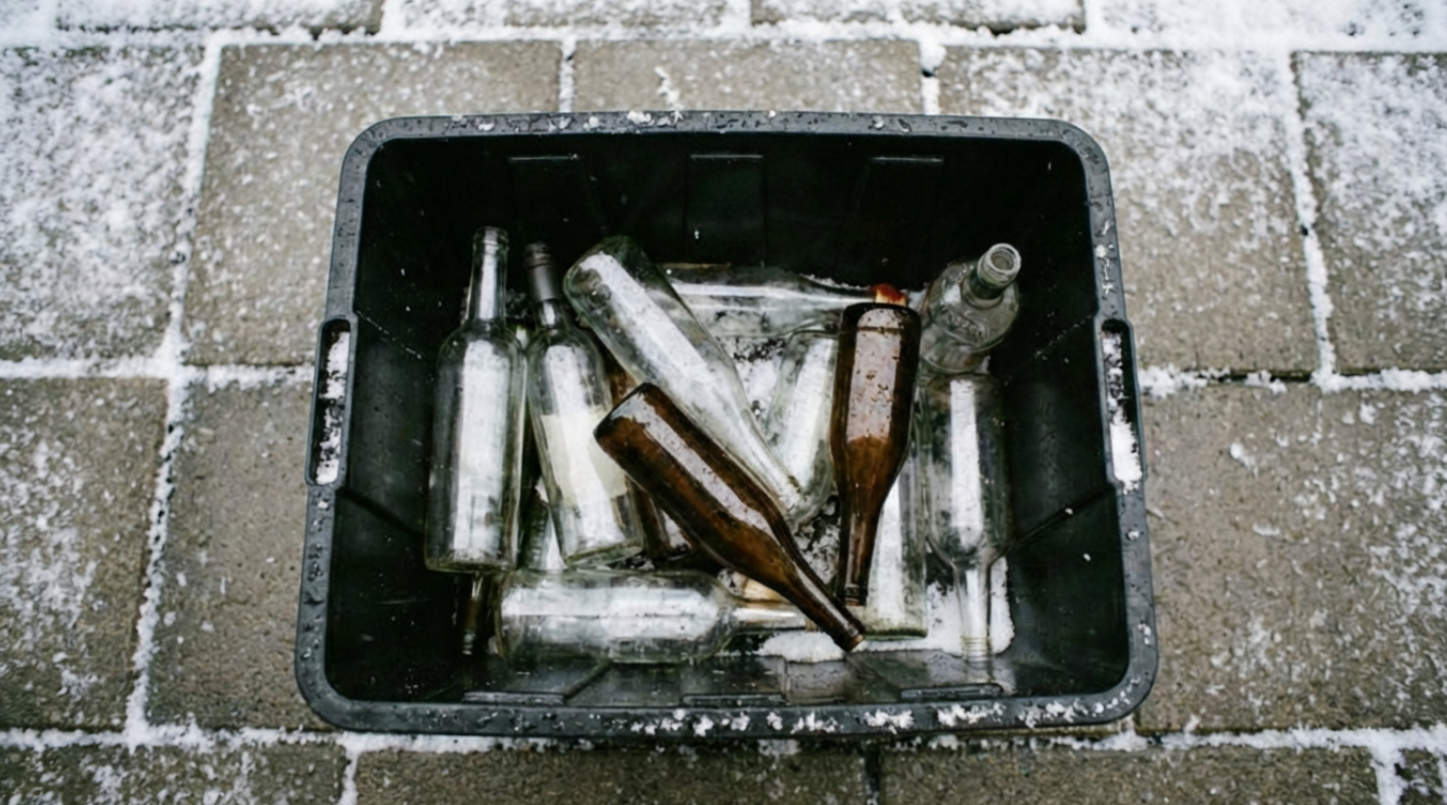
If you have intact glass bottles and jars that you don’t want to put in your kerbside recycling box, bottle banks at local recycling centres are a good option.
Most are separated by colour (clear, green, brown), and the glass gets crushed into cullet, which is the industry term for the small granules of recycled glass that get melted down and turned into new items like bottles and jars.
Household waste recycling centres also accept broken glass and other types of glass that cannot be recycled through your kerbside collection. This includes window glass, mirrors, and ceramics.
Staff can direct you to the right skip for each material, and in many cases they’ll collect and separate glass from other waste streams on site.
What Happens to Glass in the Waste and Recycling Process
Once glass reaches a recycling plant, it goes through a fairly straightforward process.
It’s sorted by colour, cleaned to remove labels, lids, and caps, then crushed into cullet. The cullet gets melted at high temperatures and formed into new bottles, jars, or other glass products.
Because glass doesn’t degrade during recycling, this process can repeat indefinitely.
A glass bottle recycled today could become a new bottle within 30 days, and that bottle could be recycled again and again without ever losing quality.
It’s one of the most efficient recycling loops of any material, which is why it’s worth getting glass into the right stream rather than letting it end up in landfill.
How to Reduce Glass Waste, Reuse, and Improve Your Environmental Impact
Recycling glass is good, but reducing and reusing glass waste is even better.
Before you throw a jar in the recycling, think about whether it could have a second life.
Glass jars make useful storage containers for dry goods, spices, screws, and craft supplies. Wine bottles can be reused as water carafes or vases. Even old glass food containers can replace plastic packaging in your kitchen.
If you’re looking to reduce your household waste overall, glass is one of the easier materials to tackle.
Buy products in returnable glass bottles where available, choose refill options when they exist, and separate your glass from general waste so it always reaches the right collection stream. Small changes add up, and they help improve your local area’s recycling rate over time.
What to Do With Large Amounts of Broken Glass
A single broken jar is easy enough to wrap up and bin. But what about larger quantities?
If you’re clearing out a property, renovating, replacing windows, or dealing with storm damage, you might have far more glass waste than your household bins or a trip to the recycling centre can handle.
Old mirrors, glass shower screens, glass furniture, broken window panes, and stacks of glass shelving can add up quickly during a house clearance or renovation clearout. Taking multiple carloads to the tip isn’t practical for most people, and mixing large amounts of glass in with general waste bins isn’t safe.
That’s where a professional junk removal service comes in.
At Junk-It Scotland, we handle glass waste as part of our regular collections.
Our teams know how to safely load and transport broken glass, and we make sure it’s taken to the right facility for processing.
If you’ve got glass waste to get rid of, whether it’s a broken mirror or a garage full of old windows, get in touch for a free quote. We’ll take care of the lifting, loading, and disposal so you don’t have to.


